
A New Reality For Western Growers
Colorado River water shortages have become one of the most important issues facing agriculture across the western United States. As negotiations continue over how the river’s water will be managed in the years ahead, growers are increasingly being forced to plan for a future where water supplies may be less predictable than they once were. Rather than waiting for conditions to return to historical norms, many producers are preparing for a new reality that places greater emphasis on efficiency and informed decision-making.
Why The Colorado River Matters
The Colorado River supplies water to approximately 40 million people and supports millions of acres of farmland throughout the western United States. From vegetables and fruit to forage crops and livestock feed, agricultural production across several states depends heavily on this system.
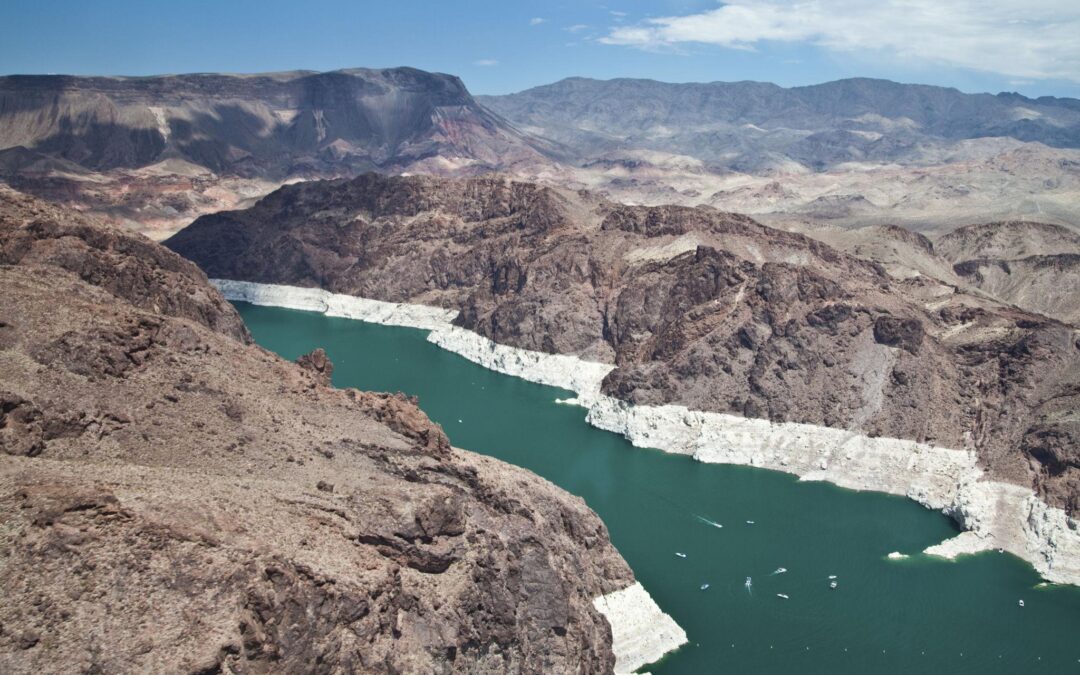
However, years of drought, rising temperatures, and reduced snowpack have placed increasing pressure on the river. Reservoirs such as Lake Mead and Lake Powell remain well below historic levels, prompting state and federal leaders to negotiate how to address future shortages.
While the Upper Basin and Lower Basin states continue to debate how reductions should be shared, growers are left with an understandable question:
What does this mean for agriculture?
Colorado River Water Shortages Are Creating More Uncertainty
Regardless of how the negotiations ultimately unfold, uncertainty itself presents challenges. Farmers already manage countless variables every season. Input costs, labor availability, weather events, and market conditions all influence decisions made in the field. Water availability now adds another layer of complexity.
Long-term planning becomes more difficult when future allocations, regulations, and conservation requirements remain uncertain. As a result, many operations are placing greater emphasis on understanding exactly how water moves through their fields and how efficiently that water is being used.
Efficiency Is Becoming More Important Than Ever
Water conservation is not a new concept in agriculture. Growers have spent generations improving irrigation practices and maximizing productivity. What may be changing is the level of precision required.
As water becomes more limited, every irrigation event carries greater importance. Questions that once seemed less critical can now have a much larger impact:
- Is moisture reaching the entire root zone?
- Are certain areas receiving more water than necessary?
- Are irrigation schedules matching crop demand?
- How quickly are fields drying down after an event?
Having answers to these questions can help growers make more confident decisions when resources are limited.
How AgriLynk Helps Growers Manage Water More Confidently
While no technology can create more water, having greater visibility into what is happening below the surface can help growers make better irrigation decisions.
AgriLynk’s wireless monitoring system allows growers to see soil moisture conditions at multiple depths throughout the root zone. This information helps provide a clearer picture of how irrigation events are performing and whether moisture is reaching the intended depth.
By understanding how quickly fields are drying down and how water moves through the soil profile, growers can make adjustments based on actual field conditions rather than assumptions. For operations facing increasing pressure to maximize every acre-foot, better information can help support more confident decisions.
Planning For A Different Future
Perhaps the most important takeaway from the ongoing Colorado River negotiations is that agriculture has always been resilient. Farmers have continually adapted to changing conditions, and this challenge is no different.
The future of Western agriculture will likely involve new approaches, improved efficiency, and continued innovation. While no one can control the weather or interstate negotiations, growers can continue focusing on what they have always done best: making practical decisions that help protect their operations for the next generation.
As Colorado River water shortages continue to shape the conversation surrounding agriculture in the West, the focus is gradually shifting away from how to obtain more water and toward how to make the best possible use of the water available.