
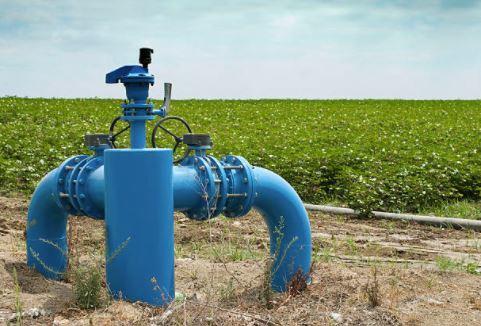
Why Irrigation Systems Need More Than Manual Checks
Leaks and equipment failures are not always obvious. In many cases, an irrigation system can continue running while water is being lost through a damaged pipe, clogged filter, failing pump, or malfunctioning valve. That is why irrigation flow and pressure monitoring has become an increasingly valuable tool for growers looking to improve efficiency and protect their investment.
Small Irrigation Problems Can Become Expensive
A minor leak may not seem like a significant issue, but over the course of a season, even small problems can waste thousands of gallons of water, increase energy costs, and leave portions of a field under-irrigated.
Unfortunately, these issues often go unnoticed until someone physically visits the site or crop performance begins to suffer. By then, valuable time, water, and potentially yield have already been lost.
What Flow and Pressure Can Tell You
Flow and pressure are two of the best indicators of your irrigation system’s health. When either changes unexpectedly, it can signal that something within the system needs attention.
For example, unusual readings may indicate:
- A leak in an irrigation line
- A broken or damaged pipe
- A clogged filter
- A valve that is not opening or closing correctly
- Changes in pump performance
- Restrictions somewhere within the irrigation system
While every irrigation system is different, monitoring these values gives growers another layer of visibility that simply is not possible with manual checks alone.
Why Early Detection Matters
The sooner an irrigation issue is identified, the sooner it can be addressed.
Catching problems early can help growers:
- Reduce unnecessary water loss
- Avoid wasting energy pumping water that never reaches the crop
- Minimize equipment downtime
- Prevent irrigation disruptions from affecting crop performance
- Spend less time troubleshooting unexpected problems
Rather than discovering issues after they have already impacted the field, growers have the opportunity to investigate potential problems sooner.
How Irrigation Flow and Pressure Monitoring Works with AgriLynk
Remote pump control makes irrigation management more convenient by allowing compatible pumps to be started and stopped from virtually anywhere.
When that convenience is paired with flow and pressure monitoring, growers gain much more than remote control. They gain greater confidence in what is happening throughout their irrigation system.
Instead of simply knowing a pump is running, growers can monitor how the entire system is performing and respond more quickly when conditions change.
AgriLynk’s Pump Control solution combines remote pump operation with flow and pressure monitoring, giving growers greater visibility into the performance of their irrigation systems.
By bringing monitoring and control together in one platform, growers can spend less time driving to remote pump sites, identify potential issues earlier, and make more informed irrigation decisions throughout the season.
Final Thoughts
Water is one of agriculture’s most valuable resources. Every gallon that never reaches the crop represents lost time, energy, and money.
Remote pump control is convenient, but flow and pressure monitoring adds another layer of visibility. It helps growers see how their irrigation system is performing, not just whether the pump is running.
When growers can identify issues sooner, they can respond faster and reduce unnecessary water loss. They also spend less time troubleshooting problems in the field.
AgriLynk’s Pump Control solution brings remote operation, flow monitoring, and pressure monitoring together into a single, easy-to-use platform. Whether your goal is to save time, conserve water, or gain more confidence in your irrigation system, better visibility can help you make better decisions throughout the growing season.