
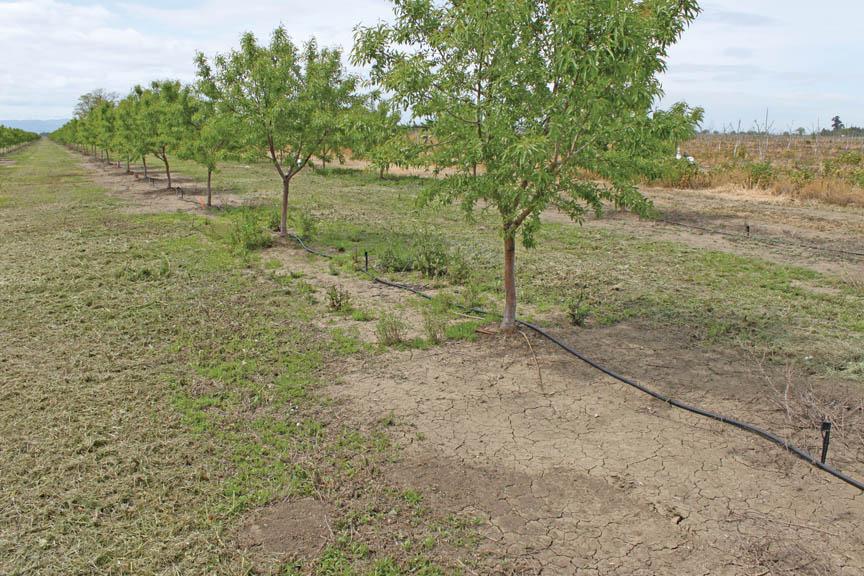
What Uneven Field Conditions May Be Telling You
If one part of my field is drier than the rest, is the irrigation system applying water unevenly, or is something else happening below the surface?
A dry area may point to an irrigation problem, but it can also be caused by soil variation, elevation, root development, drainage, or differences in plant water use.
The goal is to determine whether the dry area is a one-time observation or part of a consistent pattern.
Quick Takeaways
- Dry areas may be caused by clogged emitters, pressure changes, leaks, valve problems, soil differences, or root-zone conditions.
- The soil surface may not show how deeply water traveled.
- Comparing flow, pressure, and soil conditions can help narrow the cause.
- Monitoring over time can reveal patterns that are easy to miss during field checks.
Why One Part of My Field Is Drier Than the Rest
Clogged or Restricted Emitters
Debris, mineral buildup, algae, roots, or other material can reduce emitter output.
A partially clogged emitter may still release water, making the problem difficult to spot. Comparing nearby emitter output can help identify a restriction.
Changes in Irrigation Pressure
Low pressure can reduce sprinkler coverage and affect emitters at the far end of a system.
Pressure may change because of elevation, pipe length, pump performance, system demand, restrictions, or valve problems. If the dry area appears farther from the pump or at a higher elevation, pressure is worth checking.
A Leak Somewhere Else in the System
A leak can reduce the water and pressure available downstream.
The dry area may appear far from the actual leak. Higher-than-normal flow combined with lower pressure may indicate that water is escaping somewhere in the system.
A Valve That Is Not Opening Completely
A valve may appear to operate while still restricting flow.
Debris, wear, electrical problems, or internal damage can prevent it from opening fully. If the issue follows one irrigation set, the valve may be contributing to the problem.
Differences in Soil Type
Not every dry area is caused by irrigation equipment.
Sandy areas may drain faster than heavier soils. Compaction, organic matter, soil depth, and subsurface layers can also affect how water moves and is stored.
Two areas may receive the same irrigation but respond very differently.
Water Is Not Reaching the Full Root Zone
The soil surface can look wet even when water has not reached deeper roots.
A short irrigation cycle may wet the upper soil while leaving the lower root zone dry. Monitoring at multiple depths can show whether water is moving through the soil as intended.
Different Root or Plant Conditions
Plants do not always use water at the same rate.
Canopy size, crop load, root health, disease pressure, soil depth, and exposure can all affect water use. Both irrigation performance and plant demand may cause dry areas.
What Growers Should Check First
Start by confirming whether the dry condition keeps appearing in the same place.
Inspect lines, fittings, valves, filters, sprinklers, and emitters for leaks, restrictions, or damage. Confirm the correct valves are operating and the system is not running more zones than intended.
Next, compare pressure at different points. Normal pressure near the pump and lower pressure near the dry area may point to a problem between those locations.
Flow can provide another clue. High flow may suggest a leak or broken line. Low flow may indicate a restriction, clogged filter, valve issue, or pump problem.
Finally, compare soil conditions in the dry area with a normally performing area and check whether water is reaching the same depths.
Why the Surface Does Not Tell the Whole Story
The soil surface can be misleading.
Surface moisture may evaporate quickly while deeper soil remains adequately supplied. In other cases, the surface may look wet even though water has not reached the active root zone.
Conditions also change between inspections. A field may look normal shortly after irrigation but begin drying unevenly later.
Monitoring at multiple depths and locations provides a clearer picture of how the field responds over time.
Looking at Flow, Pressure, and Soil Conditions Together
No single measurement explains every dry area.
Pressure shows whether the system has enough force to operate properly. Flow shows whether the expected amount of water is moving through the system. Soil information shows what happened after the water reached the field.
What You Observe What It May Suggest
| What You Observe | What It May Suggest |
|---|---|
| Low pressure and high flow | Leak or damaged irrigation line |
| Low pressure and low flow | Restriction, filter, valve, or pump problem |
| Normal flow and pressure but dry soil | Soil variation, root conditions, short irrigation duration, or emitter issue |
| Surface moisture increases but deeper soil stays dry | Water may not be reaching the full root zone |
| One irrigation set repeatedly performs differently | Valve, pressure, flow, or distribution problem |
These patterns do not provide a final diagnosis, but they can help focus the investigation.
How AgriLynk Helps
AgriLynk helps growers see what is happening within the irrigation system and below the soil surface.
Flow and pressure monitoring can show whether the system is operating within its normal range and how conditions change throughout an irrigation cycle.
Soil moisture monitoring can show how water moves through the root zone at multiple depths. Sensors placed in different areas can also help identify whether one section of the field is responding differently.
Together, this information can help answer:
Is the irrigation system delivering water normally?
Did water reach the intended depth?
Is one area drying faster than the rest?
Does the same problem happen during every irrigation cycle?
AgriLynk does not replace field inspections or agronomic judgment. It gives growers better visibility so they can investigate with more information.
Find the Pattern Before Adding More Water
When one part of my field is drier than the rest, irrigating the entire field longer may seem like the easiest solution.
But additional irrigation will not fix a clogged emitter, leak, pressure problem, valve restriction, or soil difference. It may simply overwater areas that are already receiving enough.
The better approach is to identify where the difference begins and determine whether the cause is the irrigation system, the soil, the crop, or a combination of factors.
By comparing flow, pressure, and root-zone conditions over time, growers can address the actual problem instead of compensating for it with more water.