
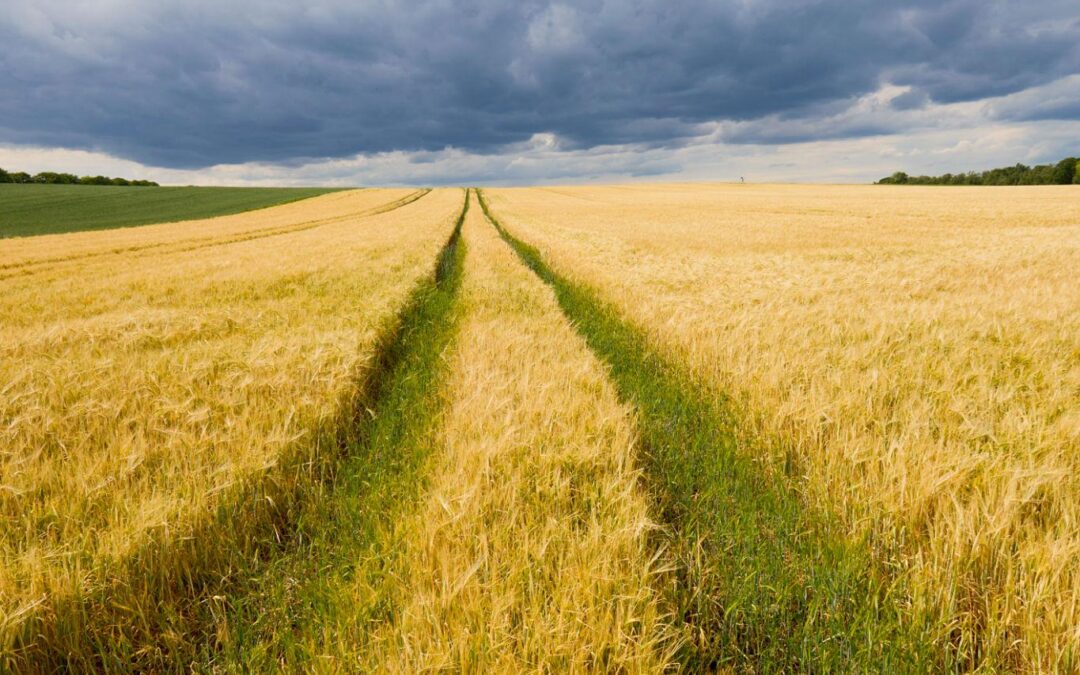
Weather Patterns Are Becoming Less Predictable
For generations, growers have relied on seasonal patterns to help guide planting, irrigation, labor planning, and harvest timing. While weather has always been unpredictable to some degree, many producers are noticing something different today: conditions seem to be changing faster and swinging more dramatically than they once did.
Periods of heavy rainfall can be followed by extended dry stretches. Cooler-than-average temperatures can quickly give way to extreme heat. In some regions, growers are experiencing multiple weather extremes within the same growing season. These rapid shifts are creating new challenges for agricultural operations that depend on timing and consistency.
Agricultural Weather Volatility Creates Operational Challenges
Weather affects nearly every decision made on a farm. Irrigation schedules, fertilizer applications, field access, disease pressure, and crop development can all be influenced by changing conditions.
When the weather becomes more volatile, planning becomes more difficult. A field that appears to have sufficient moisture after a storm may dry out faster than expected during a subsequent heat event. Likewise, irrigation plans built around historical averages may not reflect current conditions in the field.
As a result, growers are often forced to make decisions with less certainty and a shorter planning horizon than in previous years.
Visibility Matters More Than Ever
While no one can control the weather, having better visibility into field conditions can help growers respond more effectively when conditions change.
Real-time information allows growers to move beyond assumptions and understand what is happening within the root zone. Instead of relying solely on forecasts or historical trends, producers can monitor how weather events are actually impacting soil moisture and crop conditions.
This level of visibility can help support more informed irrigation decisions during periods of rapid weather change.
Long-Term Planning Requires Better Information
Agricultural weather volatility is likely to remain a challenge for growers across many regions. As conditions become less predictable, the ability to monitor field conditions and adapt quickly may become increasingly important.
The farms that are best positioned to navigate changing weather patterns are often those that have access to timely, accurate information that supports day-to-day decision-making.
How AgriLynk Helps
AgriLynk provides growers with real-time visibility into field conditions through wireless monitoring technology. By tracking soil moisture at multiple depths, along with environmental conditions such as rainfall and temperature, growers can better understand how changing weather patterns are affecting their fields.
When weather conditions shift unexpectedly, having access to field-level data can help support more informed irrigation decisions and improve confidence in day-to-day operations.
Final Thoughts
Agricultural weather volatility is creating new challenges for farms of every size. While unpredictable conditions may be becoming the new normal, better visibility into field conditions can help growers adapt, respond, and make more informed decisions when timing matters most.