
Why Summer Irrigation Decisions Matter More Than Ever
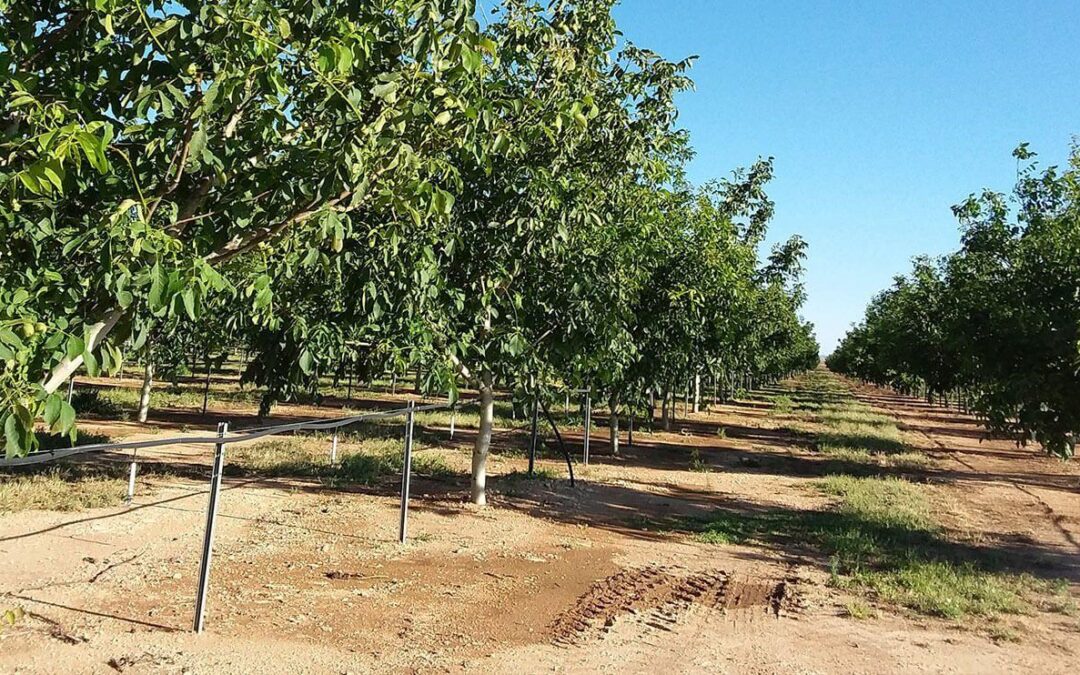
For growers of walnuts, almonds, olives, and other tree crops, summer irrigation decisions are some of the most important choices made all season. As temperatures climb and evapotranspiration increases, trees enter a period of peak water demand. Every irrigation event has the potential to influence crop quality, yield, and operating costs, making accurate water management more valuable than ever.
High Water Demand Doesn’t Mean More Water Is Always Better
It’s natural to assume that hot weather means crops need significantly more irrigation. While tree water use certainly increases during the summer, applying more water than necessary doesn’t always benefit the crop.
Underwatering during critical growth stages can stress trees, reduce nut fill or fruit size, and ultimately impact yield and quality. On the other hand, overwatering creates a different set of challenges.
Water that moves below the active root zone is no longer available to the crop. That means higher pumping costs, wasted water, and the potential for nutrients to move deeper into the soil profile than intended. More irrigation isn’t always better. What matters is getting the right amount of water to the right depth.
The Surface Doesn’t Tell the Whole Story
One of the biggest challenges with irrigation is that what happens below ground is largely invisible.
The soil surface may appear dry while deeper roots still have available moisture. In other cases, the surface looks wet even though water never reached the lower portions of the root zone, where many mature trees are actively drawing water.
Without visibility beneath the surface, irrigation decisions often rely on experience, estimates, or fixed schedules. While those approaches have served growers for generations, today’s tighter margins and increasingly variable weather make accurate field data more valuable than ever.
Better Irrigation Starts With Understanding the Root Zone
Every irrigation event raises two important questions: Did enough water reach the active root zone? Did water move beyond the depth where roots can use it? Monitoring soil moisture at multiple depths helps answer both.
Instead of relying solely on weather data or visual observations, growers can see how water moves through the soil profile and whether irrigation is accomplishing its intended goal. This allows irrigation schedules to be adjusted based on actual field conditions rather than assumptions.
How AgriLynk Helps
AgriLynk gives growers a clearer picture of what’s happening beneath the surface by monitoring soil moisture at multiple depths throughout the root zone. Instead of guessing whether irrigation reached the desired depth, growers can see how water moves through the soil profile after every irrigation event.
This information helps growers:
- Apply water with greater confidence.
- Reduce unnecessary irrigation that increases pumping costs.
- Identify when water isn’t reaching the active root zone.
- Make irrigation decisions based on field conditions rather than assumptions.
- Better understand how weather, soil type, and irrigation practices interact over time.
While no technology can control the weather or eliminate every production challenge, better visibility into soil conditions helps growers make more informed irrigation decisions throughout the growing season.
Better Information Leads to Better Decisions
Summer will always bring high temperatures and increased crop water demand. But the most successful irrigation strategies aren’t built on applying more water. They’re built on applying the right amount of water at the right time.
When growers understand what’s happening throughout the root zone, they can irrigate with greater confidence, protect crop performance, and make every gallon of water work harder.