
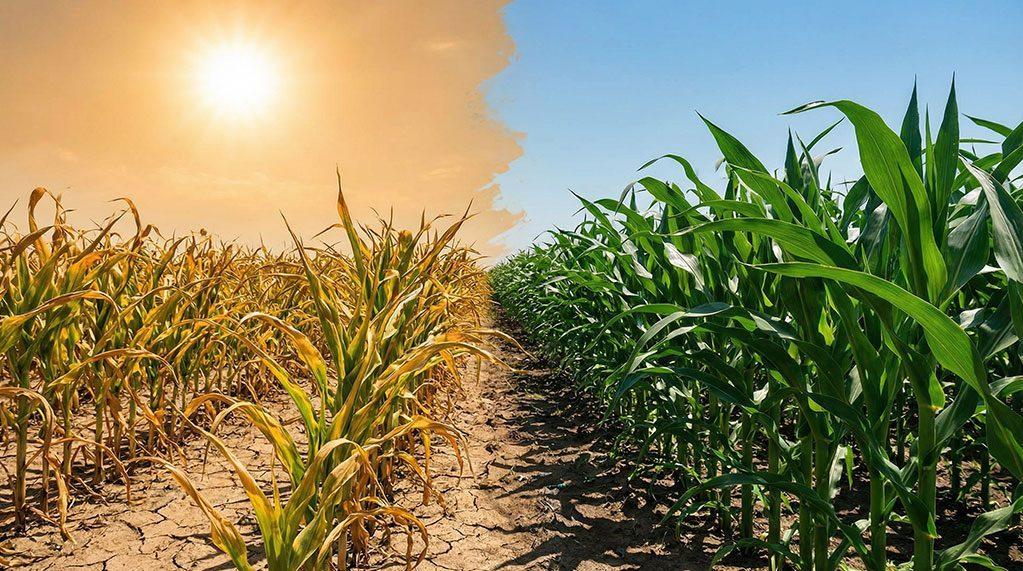
Agricultural Weather Volatility Is Changing How Farms Operate
For many growers, agricultural weather volatility has become one of the biggest challenges facing modern agriculture. Weather patterns that once followed more predictable seasonal trends are becoming increasingly difficult to anticipate. Rapid swings between wet and dry conditions, extended heat waves, and heightened wildfire risks are creating new pressures on farms across the country.
While weather has always been part of agriculture, many producers are finding that today’s conditions require a greater emphasis on adaptability and long-term planning.
Rapid Transitions Between Wet and Dry Conditions
One of the more noticeable changes in recent years has been the speed at which conditions can shift. Some regions experience heavy rainfall followed by extended periods of dryness, while others move from drought concerns to flooding risks in a matter of weeks.
These rapid transitions can make irrigation scheduling, field access, and crop management more complicated. Moisture levels that appear adequate one week may quickly decline under rising temperatures and increased evaporative demand. In other cases, excessive rainfall may temporarily saturate soils before conditions swing back toward dryness.
These fluctuations highlight the importance of remaining flexible rather than relying solely on historical weather patterns.
Heat Waves and Growing Fire Risk
Extreme heat events have also become more common across many agricultural regions. Prolonged periods of high temperatures place additional stress on crops and can accelerate water loss from the soil.
At the same time, dry vegetation and elevated temperatures contribute to increased wildfire risk. Even farms located far from active fires may experience challenges from smoke exposure, reduced air quality, power disruptions, and changing water availability.
As these events become more frequent, many growers are looking for ways to prepare for a wider range of conditions rather than assuming that each season will resemble the last.
Why Long-Term Planning Matters
Uncertainty does not eliminate the need for planning—it simply changes how planning takes place.
Many operations are placing greater emphasis on flexibility. This may include evaluating irrigation strategies, considering crop selection, managing water resources more carefully, and building contingency plans for extreme weather events.
Rather than attempting to predict every variable, successful long-term planning often focuses on being prepared to respond when conditions change.
Agricultural Weather Volatility Requires Adaptability
The reality is that agricultural weather volatility is unlikely to disappear. Seasonal variability has always existed, but today’s conditions are creating more frequent and more intense challenges.
Adaptability has become an increasingly valuable asset. Farms that can adjust to changing conditions, evaluate information quickly, and make informed decisions may be better positioned to navigate an uncertain future.
How AgriLynk Helps
No technology can eliminate uncertainty, and the weather will always remain unpredictable. However, better information can help growers make more confident decisions when conditions change.
AgriLynk provides visibility into field conditions, helping growers understand what is happening within the root zone rather than relying solely on assumptions. By monitoring moisture conditions and observing how fields respond to changing weather, growers can reduce some of the guesswork that comes with managing unpredictable seasons.
While no system can control the weather, having greater insight into field conditions can help support more informed decisions when adaptability matters most.
Final Thoughts
Agriculture has always depended on resilience, but today’s environment is placing a greater premium on flexibility than ever before. As weather patterns continue to evolve, the ability to adapt may become just as important as the ability to plan.
Although uncertainty will always be part of farming, having access to timely information can help growers respond with greater confidence when conditions inevitably change.