
Water Is No Longer Agriculture’s Only Concern
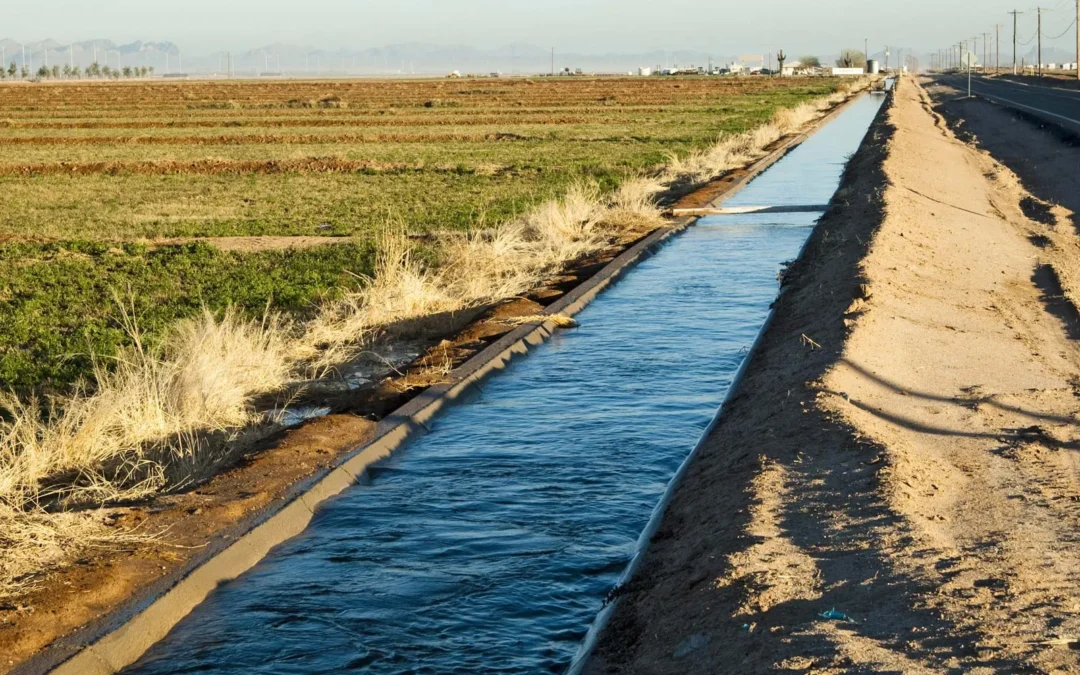
For generations, farmers have competed with weather, pests, labor shortages, and rising input costs. Increasingly, however, another challenge is emerging: agricultural water competition. Agriculture has always been one of the largest users of water resources, but it is no longer the only industry experiencing growing demand.
Agriculture has always been one of the largest users of water resources, but it is no longer the only industry experiencing growing demand. Population growth, expanding communities, industrial development, energy production, and the rapid growth of data centers are all placing additional pressure on local water supplies. In many regions, water managers are being asked to balance the needs of multiple industries while maintaining long-term sustainability.
As demand continues to increase, farmers are finding themselves operating in a world where every gallon matters more than ever before.
Agricultural Water Competition Is Changing The Conversation
Recent discussions around water management have expanded beyond drought alone. Communities are evaluating how water is allocated across residential, commercial, industrial, and agricultural users. At the same time, new industries with significant water requirements are expanding into regions that are already facing water challenges. Recent reporting has highlighted concerns about large-scale data center development in drought-prone areas and the potential impact on local water supplies.
While agriculture remains essential for food production, these developments demonstrate that water management is becoming a broader economic issue rather than solely an agricultural one. For growers, this means that demonstrating responsible water stewardship may become increasingly important in the years ahead.
Efficiency Is Becoming A Competitive Advantage
The conversation around irrigation is evolving. Historically, many irrigation decisions were based on experience, observation, and established schedules. Those methods still play an important role, but growers are increasingly supplementing experience with field-level data to improve confidence in their decisions. Knowing what is happening within the root zone allows growers to better understand when crops need water and when they do not. Small improvements in irrigation timing can help reduce unnecessary watering events while maintaining crop performance. As water becomes more valuable, efficiency is no longer just about conservation. It is becoming a business advantage.
Better Visibility Leads To Better Decisions
One of the biggest challenges in irrigation management is that conditions can vary significantly throughout a field. Soil type, crop development, weather conditions, and water availability can all influence irrigation needs. Without visibility into field conditions, growers are often forced to make decisions based on limited information.
The more accurately a grower can understand soil moisture trends, temperature conditions, and irrigation performance, the easier it becomes to make informed decisions that support both productivity and resource management.
How AgriLynk Helps
AgriLynk provides real-time visibility into field conditions through soil moisture monitoring, temperature monitoring, rainfall tracking, and irrigation automation tools.
Rather than relying solely on assumptions, growers can see what is happening within the root zone and make irrigation decisions based on field data. This visibility can help support more efficient water management while giving growers greater confidence in their irrigation timing.
Final Thoughts
Water has always been one of agriculture’s most valuable resources. What is changing is the number of industries competing for access to it.
As demand continues to grow, the ability to understand field conditions and make informed irrigation decisions may become increasingly important. Growers who have better visibility into what is happening in their fields will be better positioned to navigate the challenges and opportunities ahead.