
The Shift Is Already Happening
For a long time, groundwater was the fallback. If something was off, timing, application, or conditions, you could correct it. There was room to adjust, even when decisions were not perfect. That margin is starting to disappear.
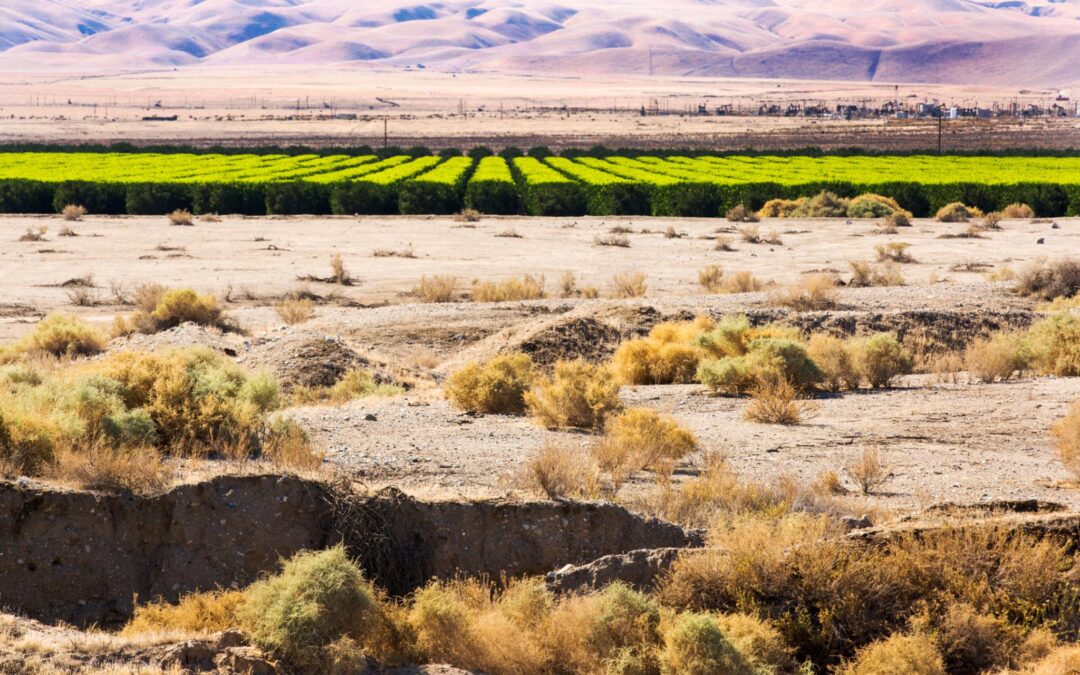
Across California, groundwater is becoming the limiting factor in how farms operate, not just in drought years, but as a baseline condition. And that is changing how growers approach decisions in the field.
It Is Not Just About Timing Anymore
In the last post, we talked about how low snowpack is forcing earlier irrigation decisions. That shift is still real, but it is only part of the picture. Because in many areas, it is no longer just about timing. It is about limits.
When water tightens, the question shifts from when should I irrigate to what can I afford to do at all. That is a different kind of pressure, and it changes how decisions are approached from the start.
Groundwater Changes The Type Of Decisions You Make
When groundwater is constrained, decisions stop being small adjustments and start becoming tradeoffs. Do you irrigate this block now, or hold that water for later? Do you push for yield, or protect consistency? Do you maintain acreage, or start thinking about pulling back?
At first, these feel temporary. They are just small shifts to get through the season. But over time, they tend to stick. This is one of the clearest ways groundwater becomes the limiting factor for California farms. It changes not just how decisions are made, but what decisions are even possible.
Why Small Inefficiencies Start To Carry More Weight
When water feels available, small inefficiencies are easy to absorb. An extra irrigation pass. A slightly heavier application. A delayed shutoff. Individually, they do not seem like much. Under tighter groundwater conditions, they are not as easy to recover from.
That water is no longer easily replaced. Once it is used, it is gone for the season, not just the day. What used to feel like a buffer becomes something you have to manage intentionally. Not because the mistake is big, but because the margin is smaller.
The Hidden Shift Is From Flexibility To Constraint
One of the biggest changes happening right now is not always visible in the field. It shows up in how decisions feel. There is less room to adjust. Growers have less ability to recover from a misstep and less flexibility to rely on later corrections.
That shift from flexibility to constraint is what defines this moment. It quietly removes the safety net that many decisions used to rely on.
Where Visibility Starts To Change The Outcome
When there is less room for error, timing still matters, but it matters differently. It is no longer just about reacting sooner. It is about reducing how often you have to guess.
Many operations already have access to data, but there is still a gap between seeing conditions and acting on them. Under tighter conditions, even a small delay or misread can turn into unnecessary water use or a missed opportunity.
The operations that are adapting are not necessarily doing more. They are seeing what is happening sooner and making decisions with more confidence. That is where the advantage starts to shift.
How AgriLynk Helps
AgriLynk is built to reduce the gap between what you are seeing and what you do next.
By placing sensors at multiple depths in the root zone, growers can see how water is actually moving through the soil, not just what is happening at the surface. This makes it easier to decide when to start irrigation and when to stop without second-guessing it later.
The goal is not to overwhelm growers with more data. It is to make decisions clearer, so adjustments can stay small and intentional when water is limited.
When the well is the constraint, remote well monitoring shows how water level and recovery change across the season, so pumping decisions follow the trend instead of one reading.
The Bigger Shift: From Supply Driven To Decision Driven Farming
For a long time, water availability defined the boundaries of farming. It shaped what was possible and how much flexibility operations had from season to season. Now those boundaries are tightening.
As groundwater becomes the limiting factor for California farms, the advantage is shifting toward operations that can work within those limits more precisely. Seeing changes earlier. Adjusting with intention. Avoiding unnecessary corrections. Not because they have more water. Because they are using what they have more deliberately.
Final Thought
When water becomes a limit, the question is not just how much you have.
It is how many decisions you can afford to get wrong.