
Looking Below The Surface
Groundwater is easy to overlook when conditions seem normal.
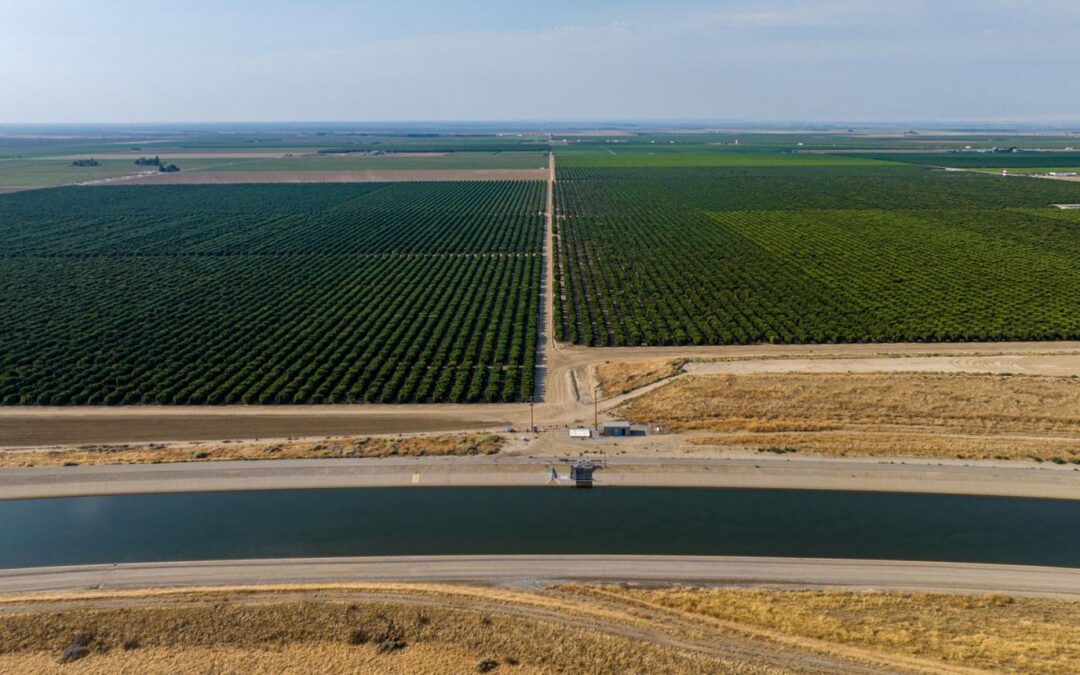
A field may look healthy from the surface. Irrigation systems may be running as scheduled. Reservoir levels may be improving after a wet winter. Yet beneath the surface, groundwater conditions can tell a very different story.
That is one of the reasons groundwater monitoring trends continue to receive increasing attention across California.
Recent reports from the California Department of Water Resources show that while several years of favorable precipitation have improved conditions in some regions, long-term groundwater challenges remain. Groundwater levels in many areas continue to face pressure, and concerns surrounding subsidence and sustainability have not disappeared.
At the same time, one trend stands out across the state’s groundwater management efforts: the growing importance of monitoring, transparency, and visibility.
The Shift Toward Better Groundwater Visibility
One of the most significant groundwater monitoring trends is the expansion of telemetry and real-time data collection.
Historically, groundwater monitoring often relied on periodic manual measurements. While valuable, these measurements only provided snapshots of conditions at specific points in time.
Today, monitoring networks are becoming more sophisticated. Telemetry systems can automatically collect and transmit groundwater data, providing water managers with more timely information about changing conditions. Instead of waiting weeks or months between measurements, agencies can track trends more consistently and respond more quickly when conditions change.
The result is a clearer understanding of how groundwater basins respond to rainfall, recharge events, pumping activity, and long-term water use patterns.
More data does not automatically solve groundwater challenges, but it does provide a stronger foundation for making informed decisions.
Why Data Transparency Matters
Monitoring is only part of the equation.
The value of groundwater data increases significantly when that information is accessible to the people making decisions.
California has continued expanding public access to groundwater information through reporting platforms, basin dashboards, and sustainability plans. These efforts help create a shared understanding of groundwater conditions across agencies, communities, and agricultural stakeholders.
Transparency matters because assumptions can be costly.
When stakeholders are working from different information, it becomes more difficult to evaluate progress, identify challenges, and build consensus around solutions. Reliable and accessible data helps create more productive conversations about groundwater management and long-term sustainability.
It also allows decision makers to focus less on debating what is happening and more on determining what actions should be taken next.
Sustainability Depends On Visibility
The Sustainable Groundwater Management Act has increased the need for accurate monitoring throughout California.
Groundwater Sustainability Agencies are tasked with developing plans that balance water use and long-term basin health. To accomplish that goal, they must be able to track groundwater levels, monitor changes over time, and evaluate whether management strategies are producing the desired results.
This process depends heavily on visibility.
Without consistent monitoring, it becomes difficult to identify trends early, measure progress accurately, or adjust management strategies when conditions change.
Sustainability is rarely achieved through a single project or a single wet year. Instead, it is built through continuous observation, evaluation, and adjustment over time.
The better the visibility, the greater the opportunity to make informed decisions that support long-term water availability.
Connecting Statewide Trends to Field-Level Decisions
Statewide groundwater reports provide valuable insight into regional conditions, but irrigation decisions are rarely made at the regional level.
Growers make decisions field by field, block by block, and often plant by plant.
A groundwater report may help explain broader trends within a basin, but it cannot reveal whether a specific root zone is approaching stress, whether irrigation timing is appropriate, or whether water is moving through the soil profile as expected.
Those decisions require visibility at the field level.
The challenge for growers is often translating broad regional information into practical operational decisions that impact crop performance, water use, and profitability.
How AgriLynk Helps
Statewide groundwater reports provide an important view of regional trends, but irrigation decisions happen where crops are growing.
AgriLynk helps growers gain visibility into field conditions through real-time monitoring of soil tension, temperature, rainfall, and irrigation activity. Rather than relying solely on schedules or visual observations, growers can better understand what is happening within the root zone and make decisions based on actual field conditions.
This field-level visibility helps connect daily irrigation decisions with larger water management goals.
While groundwater sustainability requires action across entire basins, growers still need practical information that helps guide decisions in the field. Understanding conditions where irrigation decisions are actually being made can support more efficient water use and better long-term resource management.
For growers pumping their own groundwater, remote well monitoring brings the same visibility to the wellhead: water level, drawdown, and recovery over time.
Final Thought
Groundwater monitoring trends are pointing toward a future with more visibility, greater transparency, and better access to information.
The technology used to monitor groundwater continues to improve. Data is becoming more accessible. Expectations around accountability and sustainability continue to grow.
But data alone is not the goal. The goal is to use that information to make better decisions.
Whether at the state level, the basin level, or the field level, visibility remains one of the most valuable tools available for managing water resources over the long term.
The question is no longer whether data exists. The question is whether we know what to do with it.